Will Low Oil Damage an Engine? What to Do Now
10 September 2026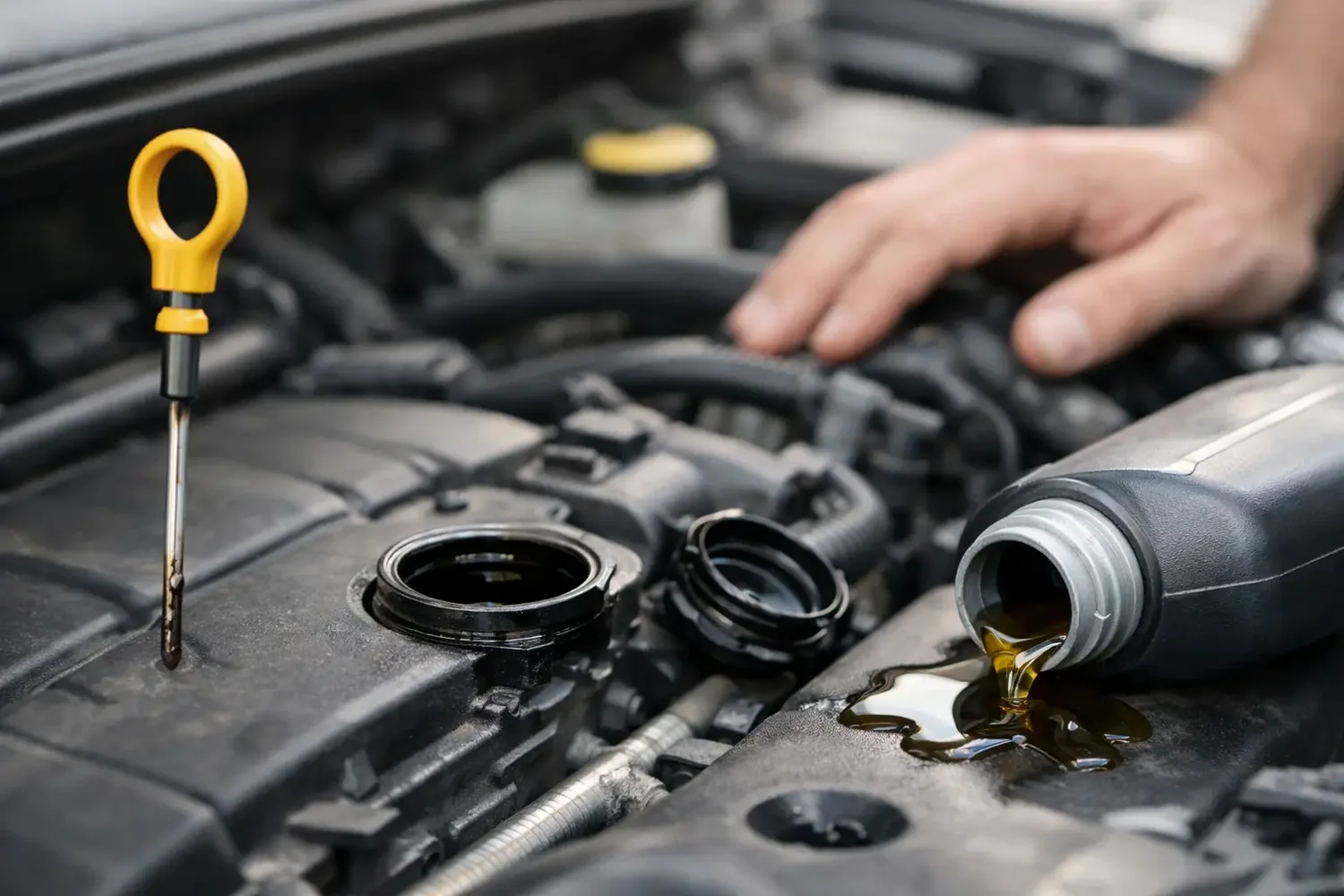
A red oil warning light on the dashboard is not one to ignore until you get home. If you are asking, “will low oil damage engine parts?”, the short answer is yes. Low engine oil can cause serious wear quickly, and continuing to drive can turn a simple top-up into an expensive repair or a complete engine failure.
The safest response is to pull over as soon as it is safe, switch off the engine and check the oil level properly. Do not assume that adding oil will always solve the problem. A low level may be caused by a leak, excessive oil consumption or a fault that needs attention before the vehicle is driven again.
Will low oil damage an engine?
Engine oil does far more than keep moving parts slippery. It creates a protective film between metal components that move at high speed, helps control heat, carries away tiny contaminants and supports efficient operation. When there is not enough oil, that protection breaks down.
The engine may still run for a short time, but internal friction rises sharply. Bearings, pistons, camshafts and other components can overheat or wear against each other. In severe cases, the engine can seize, meaning its internal parts lock up and it will no longer run.
How much damage occurs depends on the oil level, the type of journey, the engine condition and how long you keep driving. A car that is slightly below the maximum mark is very different from a car with an oil warning light showing while travelling at motorway speed. The latter should be treated as an urgent stop-driving situation.
There is another key distinction. An amber oil level warning may mean the level needs checking and topping up soon. A red oil pressure warning often means the engine may not be receiving proper lubrication at all. Switch off immediately if the red oil light appears. Do not drive to the next petrol station or attempt to nurse it home.
Signs your oil level may be dangerously low
Your dashboard warning light is the clearest alert, but it is not always the first sign. A ticking, tapping or knocking sound from the engine can indicate that components are not being lubricated correctly. The engine may also run hotter than usual, feel less responsive or produce a burning smell.
You might notice oil beneath where the car has been parked, particularly around the front or middle of the vehicle. Fresh engine oil is usually amber to dark brown or black, depending on its age. A leak can worsen suddenly after striking a kerb, debris in the road or a pothole, but seals and gaskets can also deteriorate over time.
Some engines use oil without leaving an obvious puddle. Older vehicles, high-mileage engines and some modern turbocharged engines may consume oil gradually. Blue-grey smoke from the exhaust can be a sign that oil is being burned, although this needs proper diagnosis rather than guesswork.
Do not rely on a noisy engine becoming quiet again after a few minutes. Sounds can change as the oil moves around, but the underlying risk remains. If the oil warning light is on, the vehicle needs immediate attention.
What to do when the oil light comes on
First, reduce speed calmly and find a safe place to stop. Avoid harsh braking or sudden manoeuvres if you are on a busy road. Once parked safely, turn off the engine and put your hazard lights on if needed.
Allow the engine to sit for several minutes before checking the dipstick, provided it is safe to do so. Park on level ground, remove the dipstick, wipe it clean, reinsert it fully and check the level again. The oil should sit between the minimum and maximum marks. If it is below the minimum mark, use the manufacturer-approved oil grade if you have it available.
Add a small amount at a time. Overfilling engine oil is also a problem and can cause pressure issues, smoke and damage to seals or emissions equipment. Wait briefly, then recheck the dipstick before adding more.
If the dipstick is dry, the red oil pressure light remains on, oil is visibly leaking, or the engine is making unusual noises, do not restart it. Call for roadside assistance or recovery. This is not a situation where taking a chance is worth it.
On a motorway or other high-speed road, prioritise your personal safety. Get behind the barrier where possible and safe, keep clear of moving traffic, and arrange professional help rather than working around the vehicle beside live lanes.
Can you drive with low oil after topping it up?
Sometimes, yes - but only if the oil level was modestly low, the correct oil has been added, there are no warning lights or strange noises, and there is no sign of an active leak. Even then, the car should be checked soon to find out why the level dropped.
If you have had to add a large amount of oil, assume there is a reason. The engine may be leaking oil, burning it or suffering from an issue with its lubrication system. Driving on after a top-up could leave you stranded again a few miles later, and the next episode may cause more damage.
A safe approach is to use the top-up as a way to move the car only when the warning has cleared and the engine sounds normal. Keep the journey short and arrange an inspection. If you are unsure whether it is safe, recovery is the better option.
Why oil pressure matters more than the oil level alone
A correct level on the dipstick does not always guarantee that the engine has proper oil pressure. The oil pump, filter, pickup pipe and internal passages all play a part in circulating oil where it is needed.
For example, a blocked filter, failing pump or fault with the pressure sensor may trigger an oil warning despite an acceptable oil level. Equally, oil that is old, contaminated or the wrong grade may not protect the engine as intended, especially in cold weather or under heavy load.
That is why a red oil pressure warning should never be cleared by simply adding oil and carrying on. The warning tells you the engine’s lubrication system may not be doing its job. A garage needs to diagnose the cause before regular driving resumes.
Preventing low-oil breakdowns
Checking the oil between services takes only a few minutes and can prevent a costly roadside problem. Check more often before a long journey, after noticing a leak, or if your vehicle has a history of using oil. Your handbook will state the correct checking method and oil specification.
It also helps to keep a suitable litre of oil in the boot, along with gloves and a cloth. This is useful for a minor top-up, but it is not a substitute for investigating repeated oil loss. Never use an unknown oil type just because it is available, particularly for vehicles with turbochargers, diesel particulate filters or manufacturer-specific requirements.
Keep to the recommended oil and filter change intervals too. Frequent short trips, stop-start city driving and hard motorway use can all put extra demand on the oil. A delayed service may not cause instant failure, but it reduces the margin of protection your engine has.
When to call for roadside help
Call for help if the red oil warning light comes on, the level is very low, you can see oil pouring or dripping from the vehicle, or the engine is noisy, smoking or overheating. It is also sensible to call if you do not have the correct oil, cannot safely check the level, or simply do not feel confident diagnosing the issue at the roadside.
A trained roadside technician can assess the immediate problem, provide a suitable fluid top-up where safe, and advise whether the vehicle can continue or needs recovery. For drivers in Manchester, Liverpool, Glasgow, Preston or Coventry, Car Recovery 24 can provide practical 24-hour roadside support when a low-oil warning leaves you uncertain about the next step.
A few minutes spent stopped safely may save your engine. Treat an oil warning as an instruction to act, not a reminder for later - and if there is any doubt about the vehicle’s condition, keep the engine off and get professional assistance.