Why Engine Stalls Happen and What to Do Next
20 September 2026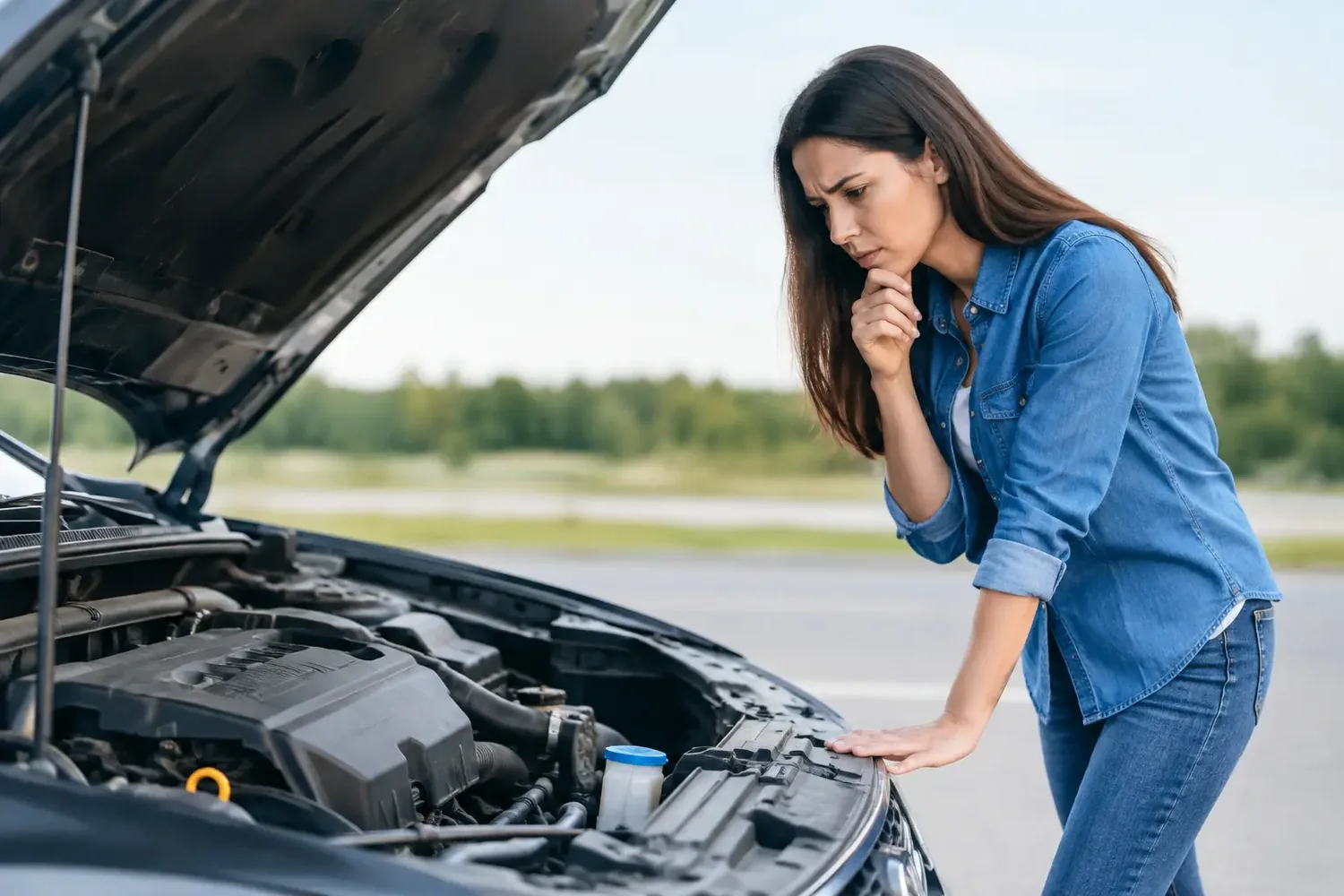
An engine that cuts out at traffic lights, in slow-moving traffic or while pulling away can turn a routine journey into a stressful situation quickly. Understanding why engine stalls can help you respond safely, explain the problem clearly, and decide whether it is sensible to restart the car or arrange roadside assistance.
A stall is not a fault in itself. It is a symptom that the engine is no longer receiving the right balance of fuel, air, spark or electrical power to keep running. Sometimes the cause is minor, particularly in a manual car. Other times, it points to a fault that needs professional attention before the vehicle is driven again.
First, make the roadside safe
If your engine stalls while driving, stay calm and focus on getting the vehicle to a safe position. Put the hazard warning lights on, steer smoothly and use any remaining momentum to move out of traffic where possible. Braking and steering may feel heavier once the engine has stopped, but they should still work.
If you are on a motorway or a fast road, do not attempt repairs beside moving traffic. Get yourself and passengers to a safe place where it is safe to do so, and call for help. If the vehicle is in a live lane, or you feel at immediate risk, contact the emergency services first.
Once parked safely, try to notice what happened just before the engine stopped. Did warning lights appear? Had the car been difficult to start? Did it lose power, smell of fuel, overheat or make an unusual noise? These details can make diagnosis faster and help a recovery operator prepare for the job.
Why engine stalls at low speed
A car that stalls only when coming to a stop or pulling away often has a different cause from one that cuts out at speed. Manual cars can stall when the clutch is released too quickly or the engine revs are too low. This is common for new drivers, when driving an unfamiliar vehicle, or when moving uphill with a full load.
If this happens once and the vehicle restarts normally, it may simply be a driving issue. If it becomes frequent despite normal clutch control, there may be a mechanical reason behind it. A worn clutch, an air intake problem or an issue with the engine idle speed can all make a car more likely to stall in traffic.
Automatic vehicles can stall too. In that case, it is less likely to be driver input and more likely to involve airflow, fuel delivery, electrical charging or a sensor fault. Repeated stalling in an automatic should not be ignored.
Fuel and air problems can stop an engine
Engines need a precise fuel and air mixture. Too little fuel, contaminated fuel or restricted airflow can make the engine run unevenly before it eventually cuts out.
Running low on fuel is the simplest possibility. On hills, bends or uneven ground, a very low fuel level can cause the pump to draw in air temporarily. The fuel gauge may also be inaccurate, especially on an older vehicle. Adding fuel may solve the problem, but if the engine still will not start afterwards, there could be another issue.
A blocked fuel filter, failing fuel pump or injector fault can also cause stalling. You may notice hesitation when accelerating, poor performance uphill, longer starting times or a sudden loss of power. These are not faults to guess at on the roadside. Repeated restart attempts can flatten the battery and may not solve the underlying problem.
Airflow faults are another common cause. A dirty throttle body, blocked air filter or split hose can upset the amount of air entering the engine. The car may idle roughly, struggle at junctions or stall when the revs drop. Modern vehicles use sensors to manage this mixture, so one small issue can trigger warning lights and affect how the engine runs.
Battery, alternator and electrical faults
A weak battery usually causes starting trouble, but it can also contribute to stalling if the vehicle's electrical system is not charging correctly. The alternator keeps the battery charged while the engine is running. If it fails, the car may continue for a short distance before electrical systems begin to shut down and the engine cuts out.
Watch for a battery warning light, dim headlights, flickering dashboard lights, slow wipers or a burning smell from the engine bay. These signs suggest an electrical charging fault rather than a simple flat battery. A jumpstart may get the car moving briefly, but it will not repair a failed alternator or damaged belt.
Loose battery terminals and corroded connections can cause intermittent faults too. The vehicle may start one moment and cut out the next, particularly over bumps. Unless you are confident it is safe to check, avoid touching battery connections at the roadside. Batteries and electrical components can cause injury if handled incorrectly.
Sensors and engine management faults
Most modern cars rely on sensors to tell the engine control unit how much fuel to inject and when to ignite it. If a crankshaft sensor, camshaft sensor, airflow sensor or coolant temperature sensor gives incorrect information, the engine may stall or refuse to restart.
A warning light is an obvious clue, but not every sensor fault triggers one straight away. The problem may only occur when the engine is hot, in wet weather or after driving for a certain distance. That is why a vehicle can appear to run normally after a restart, then stall again later.
If the engine management light is flashing, the engine is misfiring badly, or the car is shaking and lacking power, do not continue driving. Continuing can damage components and leave you stranded in a more dangerous location. Arrange recovery and have the vehicle checked properly.
Overheating, coolant loss and mechanical trouble
An overheating engine may stall as a protective response, or it may suffer damage that prevents it running correctly. If the temperature gauge is high, steam is coming from under the bonnet, or a coolant warning light appears, pull over as soon as it is safe.
Do not open the coolant cap while the engine is hot. Pressurised coolant can cause serious burns. Let the engine cool and arrange assistance if there is a visible leak, a pool of coolant beneath the car, or the temperature keeps rising.
Mechanical faults can also explain sudden stalling. Timing belt or timing chain problems, worn spark plugs, ignition coil failures and serious engine faults can all stop the engine. A loud knocking noise, metal-on-metal sound, smoke or an oil pressure warning means the safest choice is to stop trying to start the vehicle and call for recovery.
Should you try to restart the car?
One careful restart attempt is reasonable if you are safely parked, there is no smoke or overheating, and no serious warning signs are present. Turn off unnecessary electrical equipment, place the car in neutral or park, apply the handbrake and start the engine normally.
If it starts, let it idle for a short time. Do not assume the problem has gone simply because the engine runs again. Check for warning lights and listen for rough running. If the engine stalls again, struggles to idle or loses power when you select a gear, do not force the journey onwards.
Avoid repeated cranking. It can drain the battery, overheat the starter motor and make recovery more difficult. It also does not fix a fuel, sensor or mechanical fault.
When roadside help is the sensible option
Call for assistance when the engine will not restart, stalls repeatedly, cuts out while driving, shows warning lights, overheats or has lost power. This is particularly important if you are travelling with children, stopped somewhere exposed, or stranded on a busy route.
A trained roadside technician can carry out basic checks, assess the battery and charging system, inspect for obvious leaks, and help determine whether a safe roadside fix is possible. Where the fault cannot be resolved there and then, vehicle recovery avoids the risk of further damage or another unsafe stop.
For motorists in Glasgow, Manchester, Liverpool, Preston and Coventry, Car Recovery 24 provides practical 24-hour support, with clear communication and updates while help is on the way. Keep your location, registration number and a short description of the fault ready when you call.
A stalled engine is disruptive, but you do not need to diagnose it alone at the roadside. Put safety first, resist the urge to keep restarting the car, and get reliable help before a small fault becomes a longer and more expensive breakdown.