What Is Towing Recovery and When Do You Need It?
29 June 2026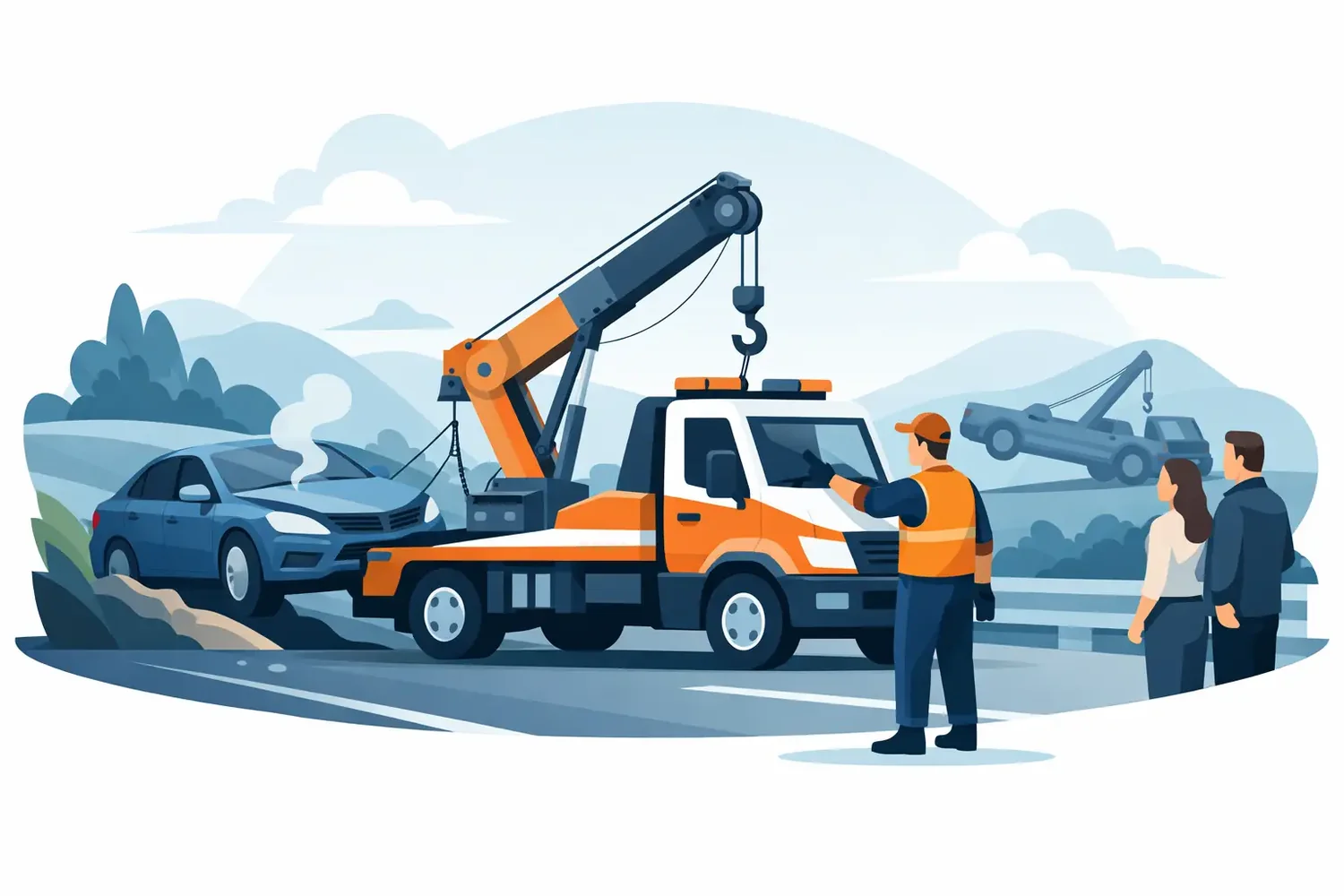
A warning light comes on, the engine cuts out, and suddenly you are stuck on the hard shoulder or at the side of a busy road wondering who to call. In that moment, knowing what is towing recovery can save time, reduce stress, and help you make the right decision quickly.
Many drivers use the terms breakdown, towing, roadside assistance, and recovery as if they all mean the same thing. They do not. They are closely related, but each one describes a different type of help. If you understand the difference, you are less likely to waste time waiting for the wrong service when your car needs urgent attention.
What is towing recovery?
Towing recovery is the process of moving a vehicle that cannot be safely driven from where it has broken down, been damaged, or become stuck. The vehicle is usually either towed or lifted onto a recovery lorry and transported to a safer location, your home, a garage, or another destination.
The key point is this: towing recovery is not just about pulling a car down the road. It is about recovering a vehicle from a problem situation and getting it moved safely by the right equipment and trained operators. That might be after a mechanical fault, a flat battery that cannot be resolved on site, an accident, a puncture with no usable spare, or a vehicle that has left the road.
In practice, many motorists say “tow lorry” for any recovery vehicle. But proper recovery work can involve different methods depending on the condition of the car, the road position, and the risk involved.
Towing recovery vs roadside assistance
This is where many drivers get confused. Roadside assistance aims to fix the issue there and then so you can continue your journey. Recovery is the next step when that is not possible.
If your battery is flat, a technician may be able to jump-start the car. If you have a puncture, they may fit the spare wheel. If fluids are low, a top-up may get you moving again. Those are roadside repairs.
If the car still will not start, the gearbox has failed, the steering is unsafe, or the damage makes driving dangerous, towing recovery is usually required. In other words, roadside assistance tries to solve the problem on the spot. Towing recovery removes the vehicle when it cannot be made roadworthy quickly or safely.
That distinction matters because the right response depends on the fault. Some breakdowns are minor and can be sorted in minutes. Others need proper transport, not a temporary fix.
When towing recovery is usually needed
There are several common situations where towing recovery is the safest option. Mechanical failure is one of the main ones. If the engine has failed, the clutch has gone, the transmission is damaged, or the car is overheating badly, driving further could make the damage worse.
Accidents are another obvious case. Even if the vehicle still starts, visible damage does not tell the full story. A bent suspension arm, damaged wheel, or leaking fluid can make the vehicle unsafe to move under its own power.
You may also need recovery if the car is stuck. That could mean a ditch, mud, snow, a steep kerb impact, or a tight parking situation after a mechanical failure. In these cases, the job is not simply towing. It may involve careful winching and positioning before the vehicle can be loaded.
Electric vehicles can add another layer. Some EVs should not be towed in the same way as older petrol or diesel cars because of drivetrain and manufacturer restrictions. That is why the equipment and method need to match the vehicle.
How towing recovery works
The process usually starts with a call where the operator asks for your location, vehicle details, and what has happened. This is not just admin. It helps decide what kind of recovery vehicle is needed and whether the issue might still be fixable at the roadside.
Once the right unit is dispatched, the driver will assess the vehicle on arrival. If there is a safe on-site solution, that may still be attempted first. If not, the car will be prepared for transport. Depending on the fault and vehicle position, it may be loaded onto a flatbed or moved using specialist recovery gear.
Flatbed transport is often the preferred method because all four wheels are off the road. That reduces wear and avoids problems for vehicles that should not be pulled in a standard towing setup. In other cases, a wheel-lift or tow method may be used where appropriate, but it depends on the vehicle and the situation.
The destination is then confirmed. Some drivers want the car taken home. Others need it moved straight to a local garage, dealership, tyre centre, or body repair shop. The best recovery services keep this simple, give clear updates, and focus on getting both driver and vehicle out of a stressful situation quickly.
Why proper recovery matters
A vehicle that cannot be driven safely is not just inconvenient. It can be dangerous. Attempting to limp to the nearest garage may seem cheaper or faster, but it can lead to bigger repair bills, more roadside risk, and further damage.
For example, driving on a failed wheel bearing, badly damaged tyre, or overheating engine can turn a repairable fault into a major repair. The same applies after an impact. A car may look mostly fine and still be unsafe underneath.
Proper towing recovery reduces that risk. It gets the vehicle off the road in a controlled way, protects the driver, and lowers the chance of secondary damage. That is especially important on motorways, dual carriageways, and busy urban roads where standing beside a broken-down vehicle is never something you want to do for long.
What drivers should ask when booking recovery
In an emergency, people often just want someone to come now, which is understandable. But a few quick questions can help avoid delays.
Ask how soon the recovery vehicle can arrive and whether you will receive updates. Confirm whether the service includes transport to your chosen destination or only to the nearest garage. Check that the company is insured and licensed to handle vehicle recovery.
It also helps to mention anything unusual straight away. That includes lowered vehicles, automatic gearboxes, EVs, accident damage, or if the car is in a difficult position such as a basement car park or soft ground. Small details can change what equipment is needed.
For drivers in high-traffic areas such as Glasgow and surrounding routes, response time and communication matter as much as the recovery itself. When you are stranded, long silences are not reassuring. Clear ETAs and direct contact make a real difference.
What is towing recovery for different types of incidents?
The answer can vary slightly depending on the situation. For a straightforward breakdown, towing recovery means transport from the roadside to a safe destination. For an accident, it may also involve securing a damaged vehicle and handling extra safety concerns. For a stuck vehicle, recovery may mean extraction first and transport second.
That is why one quote does not always fit every job. Distance matters, but so do access, vehicle size, road conditions, and whether special handling is required. A small car with a dead starter in a supermarket car park is very different from a van with front-end damage on a main road.
The best approach is a practical one. Explain the situation clearly, send photos if requested, and let the recovery operator match the service to the problem.
Choosing the right help when you break down
Not every breakdown needs towing recovery, but when it does, speed and professionalism matter. You need a service that understands the difference between a quick roadside fix and a vehicle that should not move another mile under its own power.
That means calm communication, the right equipment, and a focus on safety first. A reliable recovery provider should make the next step obvious, not more confusing. If your car can be fixed on site, great. If it cannot, it should be loaded and moved without fuss.
For motorists across the UK, especially in busy areas where delays create extra stress, that peace of mind is a big part of the service. Companies such as Car Recovery 24 build trust by combining fast dispatch, clear updates, and safe vehicle handling when drivers need help most.
If you ever find yourself stuck at the roadside, the simplest way to think about it is this: roadside assistance tries to get you going again, while towing recovery gets your vehicle where it needs to be when going again is no longer an option.