What Does Vehicle Recovery Include in the UK?
24 September 2026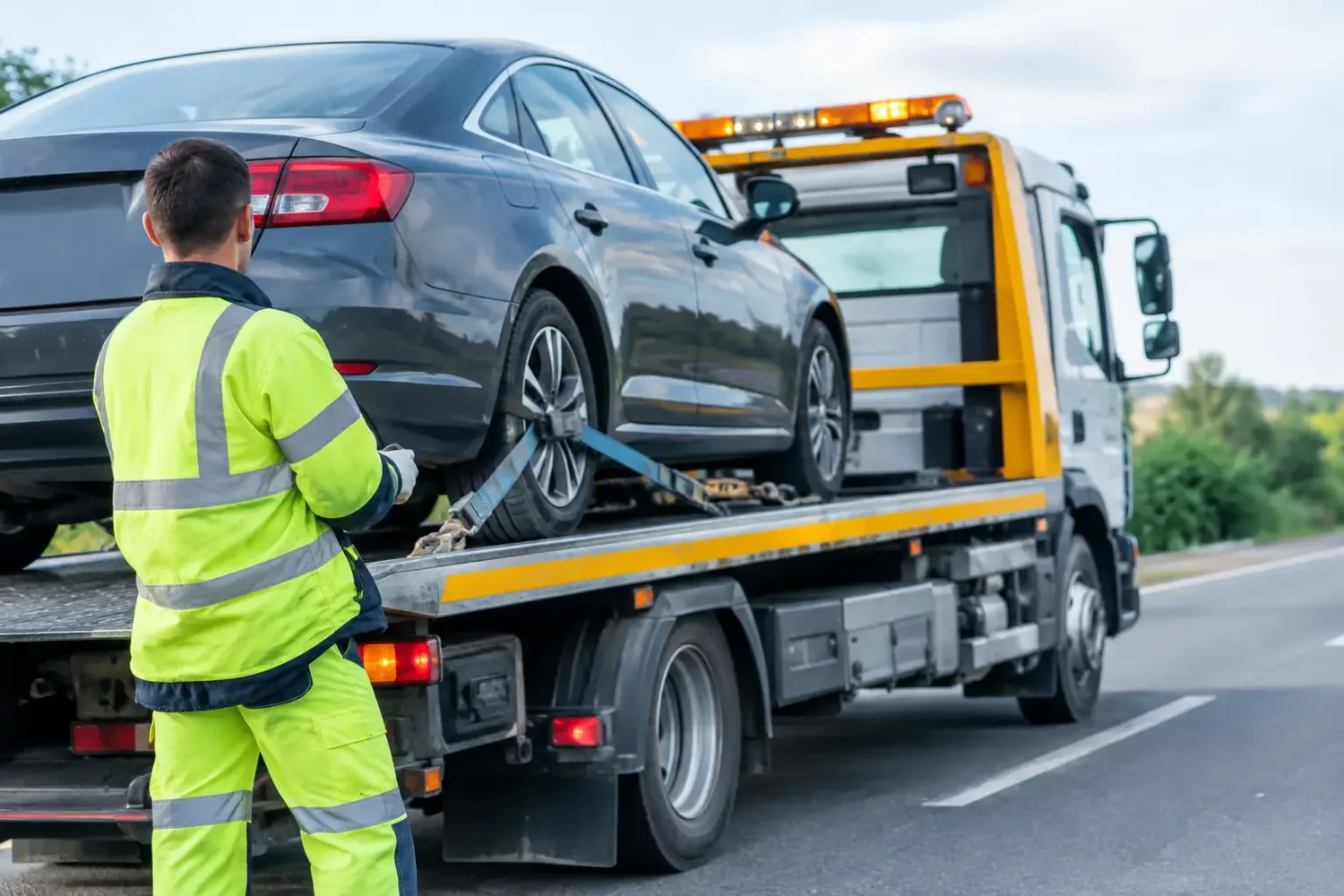
A warning light, a flat tyre or an engine that will not restart can turn an ordinary journey into a stressful stop. If you are asking what does vehicle recovery include, the short answer is practical help at the roadside and safe transport when the vehicle cannot be fixed there. The exact service depends on the fault, your location and the type of vehicle, but the priority should always be getting you out of danger and giving you a clear next step.
Vehicle recovery is not simply putting a car on a recovery vehicle. A professional service assesses the situation, checks whether a quick roadside repair is sensible, protects the vehicle during loading and takes it to an agreed destination if driving on would be unsafe. For motorists, that means less guesswork at the kerbside, on the hard shoulder or in a dark car park.
What does vehicle recovery include?
A recovery call normally begins with a few straightforward questions: where you are, what vehicle you have, what has happened and whether you and your passengers are safe. Accurate details help the operator send suitable equipment and give you a realistic arrival estimate. If you are on a motorway or a live traffic lane, tell the operator immediately.
On arrival, the recovery technician will first make the area as safe as possible. This can include positioning the recovery vehicle carefully, using warning lights and assessing whether the car can be moved without causing further damage. They will then carry out basic fault checks. Sometimes the problem is small enough to resolve at the roadside, saving you the time and cost of a tow.
Where a repair is not safe or cannot be completed with roadside equipment, recovery includes loading the vehicle securely and transporting it. This may be to your home, a garage, a dealership or another agreed location. The right destination depends on the time of day, the nature of the problem and whether a garage is open and able to take the vehicle.
Roadside help that may get you moving again
Many breakdowns do not require full transport. A good recovery service will look for a practical fix before arranging a longer journey, provided it is safe to do so. Common roadside assistance includes battery jump-starts, battery replacement where available, tyre changes using your usable spare, and checks for obvious issues such as loose connections or low fluid levels.
A technician may also provide an oil, coolant or other fluid top-up when that is appropriate and the underlying issue does not make driving unsafe. For example, topping up coolant may help only if there is no active leak or overheating fault. If the temperature warning has appeared, continuing to drive without a proper assessment can cause serious engine damage. In that case, recovery is usually the safer option.
Fuel-related problems are another example of where the answer depends on circumstances. A vehicle that has run out of fuel may be helped with enough fuel to reach a filling station, while a vehicle with a suspected contaminated-fuel issue generally needs transport rather than a quick roadside solution.
Roadside repair is about getting you mobile safely, not masking a major mechanical fault. If the brakes feel wrong, steering is affected, the engine is overheating, a tyre has failed without a safe spare, or warning lights indicate a serious problem, do not feel pressured to drive on. Recovery is there to prevent a difficult situation becoming a more expensive one.
Safe loading and vehicle transport
When your car needs to be taken away, the recovery process should be careful and methodical. The technician will check whether the vehicle can roll, steer and be placed in neutral. If it cannot, specialist loading methods may be needed. This matters for automatic cars, electric vehicles, cars with damaged wheels and vehicles involved in an accident.
The vehicle is then secured for transport using the appropriate restraints. It should not be dragged in a way that risks further damage to the tyres, suspension, drivetrain or bodywork. If the car has low ground clearance, is heavily damaged or is parked in a tight space, tell the recovery provider when you call. More complex recoveries can require different equipment and may take longer to arrange.
Transport is usually included from the breakdown location to an agreed local or regional destination, but distance limits can vary. Before work starts, ask where the vehicle can be taken, whether there is a mileage allowance and whether any additional distance will change the price. Clear information is especially useful if you are travelling away from home or need recovery late at night.
What happens to passengers and personal belongings?
Your safety comes before the car. Depending on the recovery vehicle, available seating and the number of passengers, you may be able to travel with the vehicle. However, this is not guaranteed. A family with children, several passengers or a large amount of luggage may need alternative transport arrangements, particularly on a busy road or during a complex recovery.
Tell the operator if you have children, pets, mobility needs or essential medication with you. It helps them plan properly and advise you clearly. Take valuables, documents, house keys and any essentials from the vehicle before it is transported, unless doing so would put you at risk.
If the car is being left at a garage outside opening hours, ask how and where the keys will be handed over. A reliable provider should explain the arrangement rather than leaving you uncertain about what happens next.
Situations that can change what is included
Vehicle recovery is tailored to the incident, so not every call includes the same work. A straightforward non-start at home is very different from an accident recovery on a major road. Costs and arrangements can change when there is extensive collision damage, a vehicle is stuck off-road, keys are locked inside, wheels are missing, or specialist lifting equipment is required.
The type of vehicle also matters. Electric and hybrid vehicles need correct handling because of their high-voltage systems and manufacturer transport guidance. Vans, 4x4s and heavily loaded vehicles may need larger recovery equipment. If you drive a modified, lowered or prestige vehicle, mention it before dispatch so the right approach can be used.
Recovery after an accident can involve additional considerations. If police, highways officers or emergency services are at the scene, follow their instructions first. Do not attempt to move a badly damaged vehicle yourself. The recovery operator may need to work around road closures, fluid spills or an unsafe vehicle position, all of which can affect timing.
Clear communication is part of the service
When you are stranded, not knowing when help will arrive can be as frustrating as the breakdown itself. Recovery should include clear communication from booking to drop-off: confirmation that help is being arranged, an estimated arrival time, updates if traffic causes a delay, and a simple explanation of the next step.
For urgent calls in Glasgow, Manchester, Liverpool, Preston or Coventry, give a precise location wherever possible. A postcode, nearby landmark, road name, motorway junction or live location can make dispatch quicker. If you are on a smart motorway, use the emergency telephone where possible and follow the guidance shown on roadside signs.
Car Recovery 24 focuses on this practical side of assistance: direct contact, live updates and a clear quote before recovery is arranged. You should always know who is coming, what support is planned and where your vehicle will be taken.
What to do while waiting for recovery
Move to a safe place if you can do so without risk. On a normal road, get yourself and passengers away from moving traffic. On a motorway, exit the vehicle from the left side if it is safe, stand behind the barrier where available, and never try to repair the car beside live traffic. Switch on hazard lights and wear a high-visibility jacket if you have one.
Have your registration number, location and a brief description of the fault ready. Avoid repeatedly trying to start a car that has overheated, has no oil pressure or is making severe mechanical noises. Those extra attempts can turn a recoverable fault into major damage.
When help arrives, explain exactly what you noticed: warning lights, smoke, noises, loss of power or any recent work on the vehicle. That small amount of information can help the technician decide whether a roadside fix is sensible or transport is the right call.
A breakdown is never convenient, but the right recovery service brings order to the situation. Put safety first, share accurate details and choose a provider that communicates clearly from the first call until your vehicle is secure.