Vehicle Recovery When Your Car Breaks Down
26 July 2026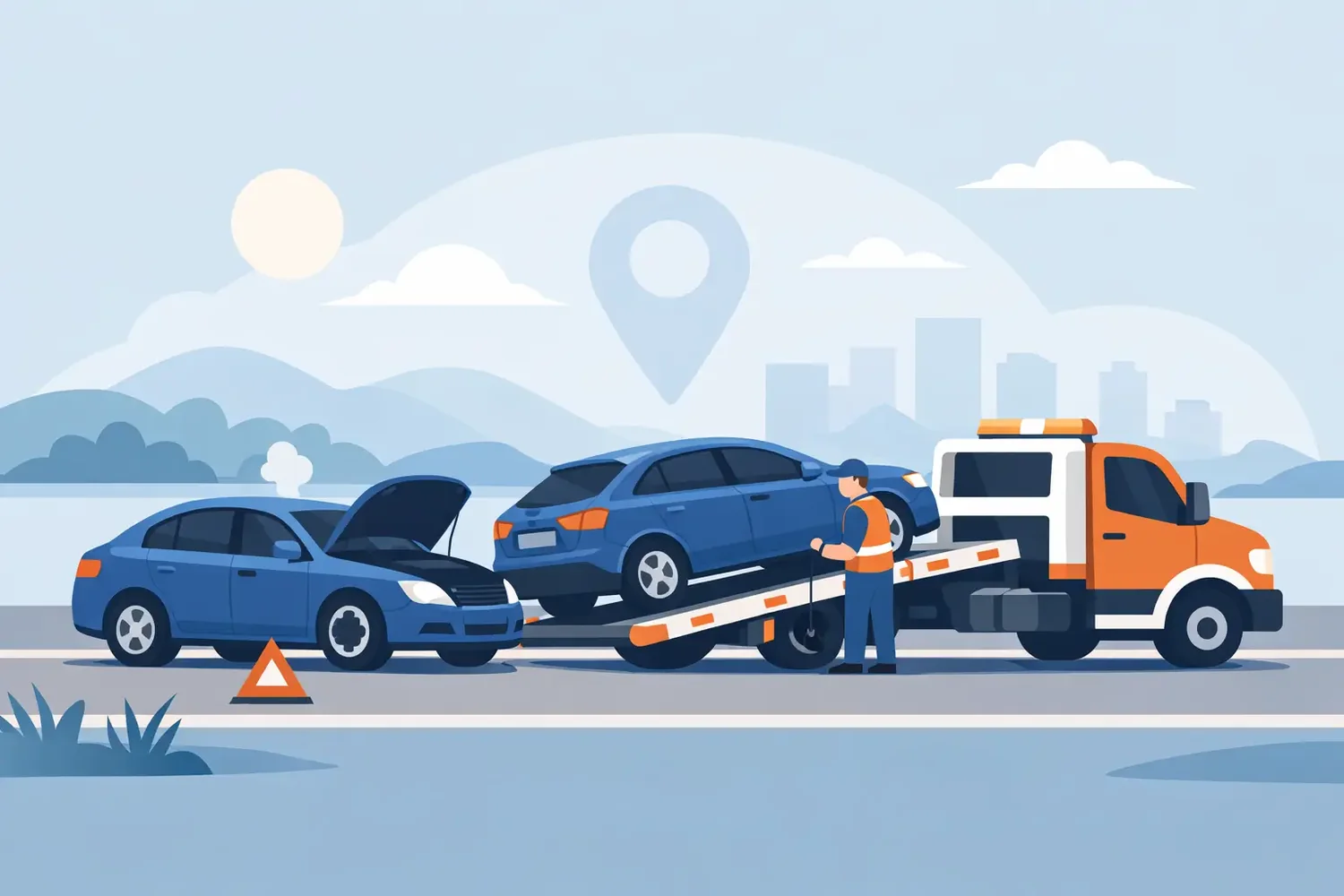
A breakdown rarely gives you a convenient warning. One minute you are on the way to work, collecting the children or heading home after a long drive. The next, a warning light appears, the engine loses power or a tyre goes flat. Vehicle recovery is there for the moments when your car cannot safely continue and you need clear, practical help without delay.
Your first priority is not the vehicle. It is getting yourself, your passengers and other road users out of danger. Once you are safe, the right recovery service can assess whether the problem can be fixed at the roadside or whether the vehicle needs transporting to a garage, home address or another suitable location.
Put safety first before arranging vehicle recovery
If your car develops a fault, slow down steadily, indicate early and find the safest available place to stop. On an ordinary road, this may be a lay-by, car park or quiet side road. Avoid stopping on bends, near junctions, on narrow roads or anywhere with poor visibility unless there is no other option.
Switch on your hazard warning lights once you have stopped. If it is dark, raining or visibility is poor, keep your sidelights on where it is safe to do so. Put on a high-visibility jacket if you have one, but do not take risks searching through the boot or standing close to live traffic.
Motorways and fast dual carriageways require extra care. If your vehicle is still moving, aim for the next exit, service area or emergency refuge area rather than stopping on the carriageway. If you have no choice but to stop, move as far left as possible, turn on your hazard lights and contact emergency services if there is an immediate danger. Leave the vehicle from the side away from traffic and wait behind a safety barrier only when it is safe to do so. If you cannot leave safely, remain inside with your seatbelt fastened and call for urgent assistance.
Passengers, children and pets should never be left close to passing traffic. A recovery operator can deal with the vehicle. Your job is to keep everyone calm and protected until help arrives.
Know whether you need roadside help or recovery
Not every breakdown means your vehicle needs lifting onto a recovery lorry. Many common issues can be resolved on the spot, saving time and avoiding an unnecessary journey to a garage. A flat battery may need a jumpstart or replacement, a puncture may be handled with a wheel change if you have a usable spare, and low coolant or oil may be safely topped up if the underlying fault is clear.
However, some problems should not be driven further, even if the car starts again. These include overheating, heavy smoke, a serious fluid leak, brake warnings, steering faults, damaged wheels, a snapped belt, electrical burning smells or an engine management issue accompanied by a loss of power. Continuing could turn a repairable fault into expensive damage, or put you and others at risk.
The decision also depends on the type of vehicle. Automatic, four-wheel-drive, electric and low-clearance vehicles often need particular loading methods. Towing the wrong way, using unsuitable equipment or attaching to an incorrect recovery point can damage the drivetrain, battery system or bodywork. Tell the recovery provider exactly what you drive so the right vehicle and equipment can be dispatched.
What to tell the recovery operator
Clear information helps a recovery team reach you faster and arrive prepared. You do not need to diagnose the fault. A short, accurate description is far more useful than guessing at complicated mechanical causes.
Have your location ready first. Use a postcode, road name, nearby landmark, motorway junction number or the information shown on an emergency roadside marker. On a motorway, explain which direction you are travelling and whether you are in a live lane, on a hard shoulder or in an emergency area.
Then describe the vehicle, including its registration, make, model, colour and whether it is loaded or towing anything. Mention any warning messages, noises, smoke, leaks, tyre damage or accident damage. Let the operator know if you have passengers, young children, a vulnerable person or an animal with you. These details affect the safest recovery plan.
It also helps to be honest about access. If the car is in a multi-storey car park, underground bay, tight residential street or muddy track, say so before the vehicle is sent. Height restrictions, limited turning space and poor ground conditions may require a different recovery approach.
Do not make a roadside fault worse
When a car will not start, it is tempting to keep trying. Repeated attempts can flatten the battery further, overheat the starter motor or mask a more serious issue. If you smell fuel, burning plastic or see smoke, stop trying to start the car and move away from it when safe.
Similarly, never remove a radiator cap from an overheating engine. Hot coolant can escape under pressure and cause serious burns. Let the engine cool, keep clear of steam and arrange assistance. Adding coolant to a very hot engine is not a quick fix.
A tyre change can be straightforward on level ground away from traffic, but it is not always sensible. Do not change a wheel on a motorway, at the roadside in poor visibility or where the car cannot be safely jacked up. If your vehicle has no spare wheel, or the tyre sidewall is damaged, you will normally need professional support rather than a temporary inflation kit.
How professional vehicle recovery works
A good recovery service begins with communication. After you call, you should receive a clear update on the likely arrival time and be able to keep in contact if your situation changes. This matters when you are alone, travelling with family or stranded after dark.
On arrival, the operator should first assess the scene and the vehicle rather than rushing into a tow. They may be able to restore power, fit a replacement battery, change a wheel or provide the fluid support needed to get you moving. If a roadside repair is not safe or appropriate, they will secure the vehicle for transport.
Recovery may involve a flatbed, a spec lift or another method suited to the vehicle and fault. The vehicle should be loaded carefully, secured properly and taken to the agreed destination. Ask where it is going before loading begins, especially if you need to get home, reach a local garage or arrange onward travel.
Car Recovery 24 provides 24-hour roadside assistance and vehicle transport for drivers who need fast, clear support, particularly across Glasgow and Scotland. Real-time updates and direct communication can make a stressful wait feel far more manageable.
Prepare now, not on the hard shoulder
You cannot prevent every breakdown, but a few checks reduce the chance of being caught out. Check tyre condition and pressure regularly, keep essential fluids at the correct level and act early when warning lights appear. A weak battery often gives signs before it fails completely, such as slow starting, dim lights or electrical systems behaving oddly.
Keep your phone charged when travelling and store a torch, warm layer, drinking water and high-visibility clothing in the vehicle. In winter, add a blanket and consider the extra time a rural journey may take. These items do not replace recovery, but they make an unexpected wait safer and more comfortable.
Save your recovery provider's number before you need it, and make sure everyone who drives the car knows where to find the registration and insurance details. When the vehicle stops at the worst possible time, calm information and the right help are what get the journey back under control.