Same Day Car Recovery When You Need Help Fast
15 August 2026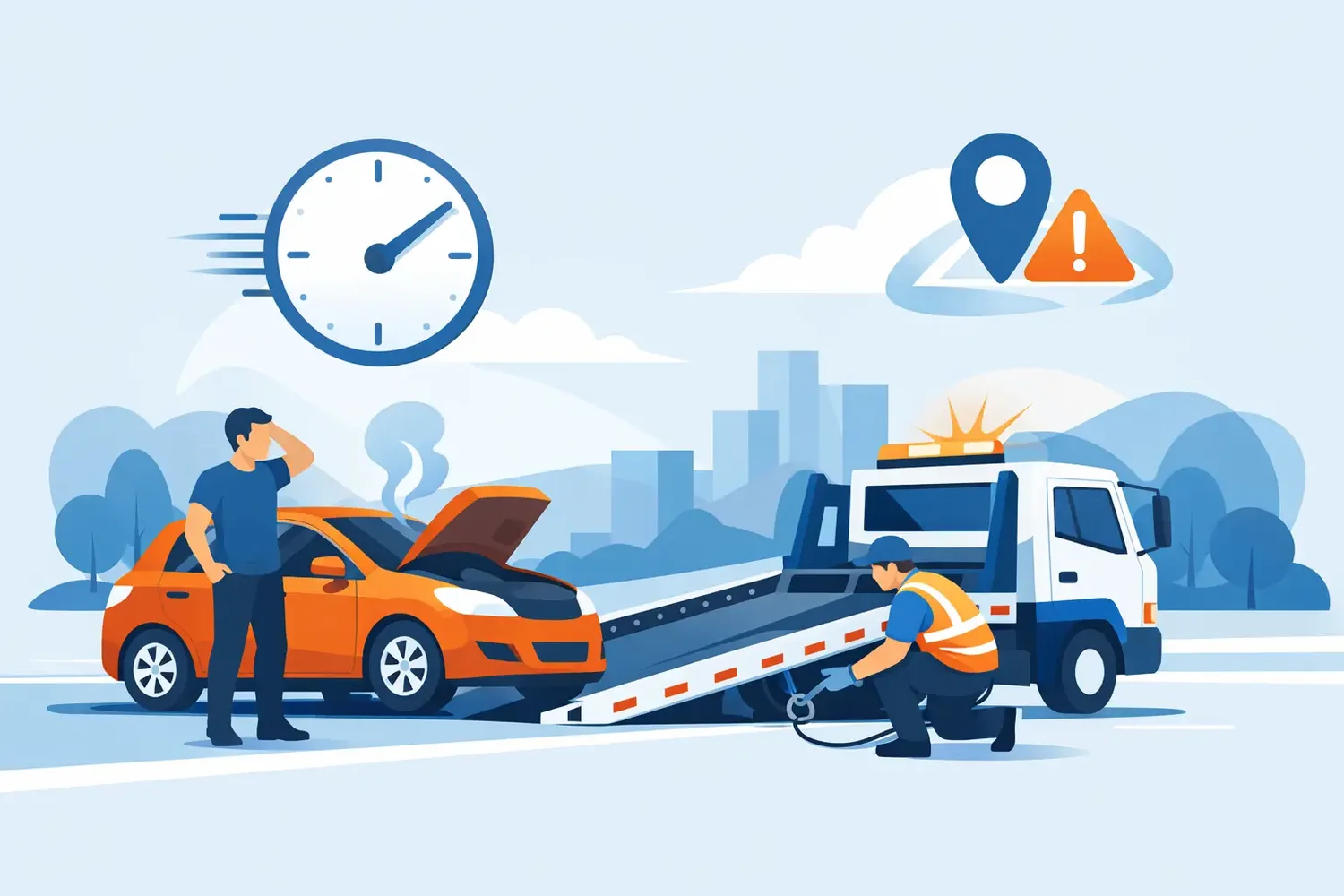
A breakdown rarely happens at a convenient time. You may be on the way to work, collecting children, heading home after a late shift or travelling through an unfamiliar part of Scotland. Same day car recovery gives you a practical route out of that situation: safe roadside support, clear communication and, where needed, transport for your vehicle without waiting days for a garage appointment.
The priority is not simply moving the car. It is getting you out of danger, understanding what has gone wrong and choosing the right next step without adding to the stress. A flat battery may be resolved at the roadside. A serious warning light, accident damage or engine fault may mean the vehicle should not be driven at all. The right recovery service makes that distinction quickly and handles the vehicle properly.
When Same Day Car Recovery Is the Right Choice
Not every vehicle issue needs a recovery lorry. If your car has a flat tyre and you carry a safe, usable spare, a tyre change may get you moving. If the battery has run down because a light was left on, a jumpstart could be enough. Low coolant or engine oil may also be addressed on site when there is no evidence of a larger mechanical problem.
Recovery is the safer choice when the car will not start after a basic check, has overheated, has lost power, has suffered collision damage or displays a warning that makes driving unsafe. It is also sensible when you are stranded on a motorway, a fast rural road, a narrow street with poor visibility or anywhere you do not feel safe waiting.
There is a trade-off. A roadside fix can be faster and cheaper when the fault is straightforward, but driving on with an unresolved problem can turn a manageable repair into major damage. For example, continuing to drive an overheating vehicle can damage the engine. A professional assessment helps you avoid guessing.
What to Do First at the Roadside
Your safety comes before the vehicle. If possible, pull over somewhere away from moving traffic, switch on your hazard warning lights and leave the car only when it is safe to do so. On a motorway, move behind the safety barrier if you can exit safely and stay well away from traffic. Do not attempt repairs beside live lanes.
Before you call for help, make a note of your location. A postcode is useful, but it is not always available on rural roads. Nearby landmarks, road names, junction numbers, direction of travel and live map location can all help a recovery operator find you sooner. If you are on a motorway or major A-road, tell the operator the carriageway direction as well as the nearest junction.
You should also have your registration number, vehicle make and model, a simple description of the fault and your preferred destination ready. The destination may be your home, a trusted garage, a workplace or another safe location. Clear information at the start helps the recovery team send the right vehicle and give a more accurate quote.
What a Fast Recovery Service Should Provide
Urgent recovery is about more than arriving with a tow rope. Your vehicle may need loading onto a suitable recovery vehicle, particularly if it is automatic, electric, low to the ground, damaged or unable to roll. Incorrect towing can create further damage, so it is worth using an insured, licensed operator that understands safe vehicle handling.
A dependable service should tell you what is happening rather than leave you wondering. Real-time ETA updates and WhatsApp communication are particularly useful when you are waiting with children, in poor weather or in an area you do not know well. You should know who is coming, roughly when they will arrive and what support is being arranged.
Price clarity matters too. Recovery costs can depend on your location, the distance to the destination, vehicle condition, access restrictions and whether the job needs specialist equipment. Ask for a quote based on the details you have provided. If circumstances change on arrival, a professional operator should explain why before extra work is carried out.
Roadside repair or vehicle transport?
A good recovery provider will not treat every call the same way. A battery jumpstart, replacement battery, tyre change or fluid top-up may allow you to continue your journey safely. If the issue is uncertain, transport to a garage can protect both you and the car.
This is especially relevant for modern vehicles. Warning messages, electronic faults and hybrid or electric vehicle issues are not always obvious from the driver’s seat. If a warning light is red, the vehicle is smoking, leaking heavily, overheating or behaving unpredictably, stop driving and request recovery rather than risking a more expensive fault.
Same Day Car Recovery Across Glasgow and Beyond
Drivers in Glasgow and across Scotland often need help in situations where timing matters. City traffic, busy commuter routes, poor weather and long journeys between towns can make a small fault feel much bigger. Whether you are stuck outside your home, at a retail park, on the M8 or on a quieter road near Falkirk, Stirling or Edinburgh, the aim is the same: get a trained recovery professional to you as quickly and safely as conditions allow.
Arrival times depend on traffic, weather, distance and demand. Be cautious of anyone who guarantees an exact time without knowing where you are or what vehicle is required. What you should expect is an honest estimated arrival time, updates if that changes and a direct way to contact the team.
CarRecovery24.uk focuses on that direct, practical support: urgent booking by phone, clear updates and safe recovery for motorists who need a solution now. For a driver stranded at the roadside, quick communication can be as reassuring as the recovery vehicle itself.
Preparing for the Recovery Vehicle
Once help is on the way, stay contactable and keep your phone charged where possible. If you need to leave the vehicle in a safe place, tell the operator and confirm how the keys will be handed over. Remove valuables and essential belongings before the vehicle is loaded, including medication, child seats you need immediately, work equipment and important documents.
If your car has an electronic parking brake, steering lock, flat tyre, missing wheel or accident damage, mention it. These details affect how the vehicle is loaded. The same applies if the car is in a multi-storey car park, underground bay, tight driveway or restricted-access location. A standard recovery vehicle may not be able to reach every space, and advance notice prevents delays.
You do not need technical language. A simple description such as “the engine cut out and will not restart”, “there is a burning smell”, or “the dashboard says engine temperature high” is enough to guide the response. Never put yourself at risk trying to diagnose the problem under the bonnet at the roadside.
Avoiding Unnecessary Delays
The fastest recoveries tend to start with accurate information. Sending your live location, answering calls promptly and giving the correct vehicle registration all make a difference. It also helps to be honest about the condition of the car. If it is locked, has no keys, is parked with wheels turned sharply or cannot be moved, say so from the outset.
If you are waiting in a vulnerable location, explain that too. A lone driver at night, a family with young children or a car stopped near fast-moving traffic may need additional reassurance and careful planning. While recovery teams work to reach customers promptly, the safest plan may sometimes involve moving people to a safer place first, where this can be done without risk.
For planned transport, same-day availability may still be possible, but emergency roadside calls can affect schedules. If your car is safe at home and you simply need it moved to a garage, give as much notice as you can. If it has stopped your journey or created a safety concern, make that clear when booking.
A Calm Next Step When Your Car Lets You Down
Vehicle trouble is disruptive, but it does not have to leave you stranded without a plan. Stop somewhere safe if you can, share your exact location, describe the issue plainly and choose roadside repair or recovery based on what protects you and your vehicle.
When the car cannot safely continue, getting professional help on the same day gives you a clear next step: you can get yourself to safety, get the vehicle moved properly and deal with the repair without the uncertainty of being left at the roadside.