How Long Can the Police Keep My Car?
2 July 2026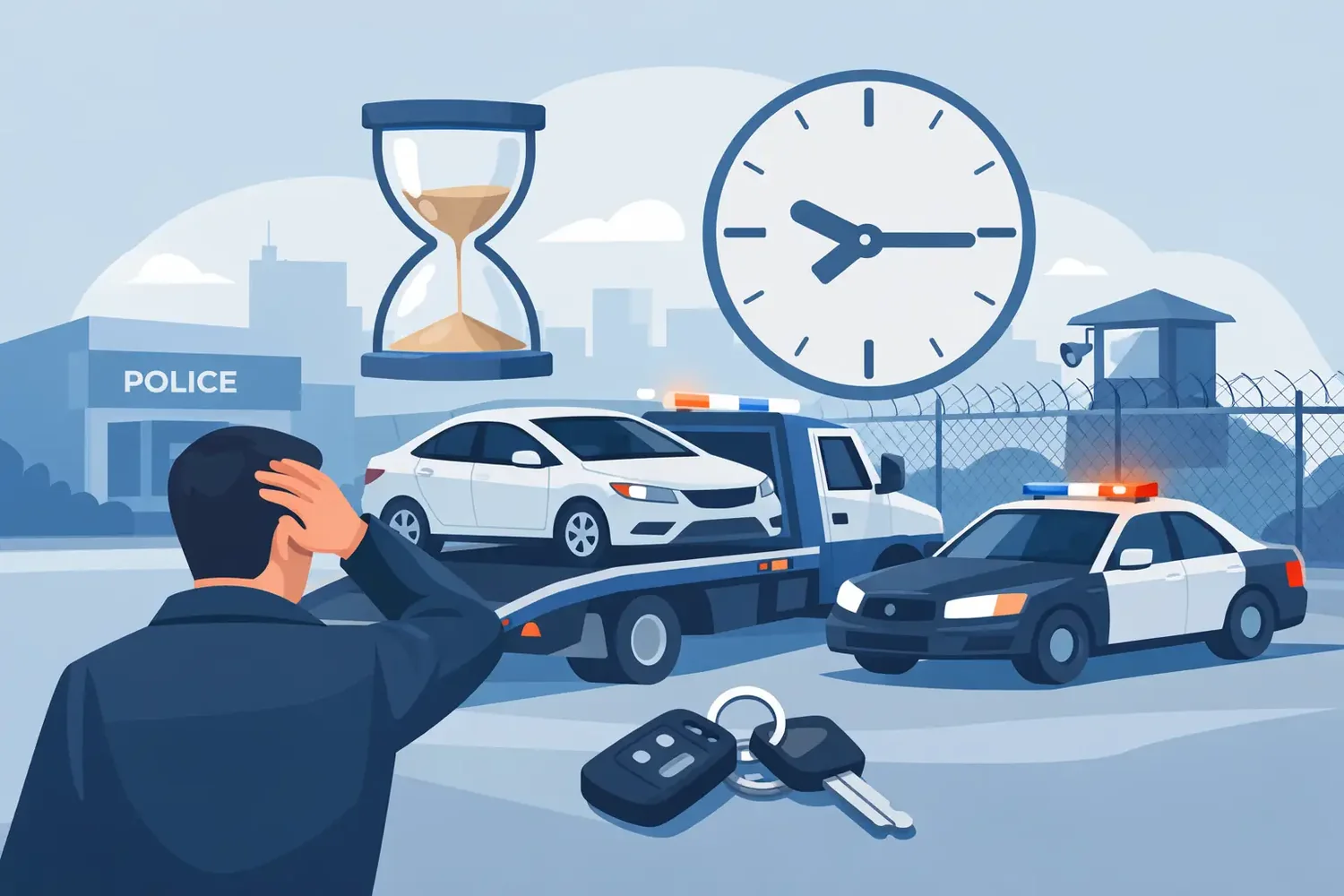
If your car has been taken after a crash, the question usually comes fast: how long can the police keep my car after an accident? When you need the vehicle for work, school runs or simply getting home, even a short delay can feel like a major problem. The frustrating part is that there is no single fixed answer. In the UK, police can keep a vehicle for anything from a few hours to several weeks, depending on why it was seized and whether it is still needed for evidence, examination or road safety reasons.
How long can the police keep my car after an accident in the UK?
The shortest cases are straightforward. If your vehicle was moved from the road after a collision because it was causing an obstruction or was unsafe to leave in place, it may be released quite quickly once checks are complete. That can sometimes mean the same day or within a couple of days.
The longer cases are usually linked to injuries, disputed fault, suspected offences or forensic examination. If police believe the car may contain evidence, they can hold it until that evidence has been secured and the vehicle is no longer needed for the investigation. If there has been a serious injury or fatal collision, the timeline can stretch much further because specialist collision investigators may need access to the vehicle.
That is why one driver may get their car back in 24 hours, while another may be waiting for weeks. It depends on the severity of the accident, the condition of the vehicle, and whether the police still need it.
Why the police might keep your car
After an accident, police do not usually keep a car without a reason. In most cases, it falls into one of a few practical categories.
The first is safety. If the car is badly damaged, leaking fluid, blocking the carriageway or not fit to be driven, it may be recovered and stored. That is about making the scene safe and preventing a second accident.
The second is evidence. If the collision involves dangerous driving, drink or drug driving, no insurance concerns, stolen plates, or uncertainty about what happened, the vehicle may be part of the investigation. Modern vehicles can also hold useful data, and the physical damage itself can tell investigators a lot.
The third is identification and ownership checks. If police need to confirm who owns the vehicle, whether it is insured, or whether it should legally be on the road, release can be delayed until that is sorted.
What affects the release time?
Severity matters more than anything else. A minor bump with no injuries is very different from a multi-vehicle collision on a motorway. The more serious the accident, the more likely the vehicle will need detailed examination.
The condition of the car also matters. If it is roadworthy and no longer needed, release is usually simpler. If it is written off, heavily damaged or potentially dangerous to move, extra steps may be needed before anyone can collect it.
Paperwork can slow things down too. Even when police are ready to release the car, you may still need to prove ownership, provide identification, show valid insurance, or arrange recovery if the vehicle cannot be driven away. A release can be delayed simply because those details are incomplete.
If another agency is involved, the process may take longer. Sometimes a vehicle is first held by police and then transferred into storage under a contracted recovery operator. In those cases, drivers can end up dealing with both the police and the storage yard before the matter is resolved.
If your car is being held as evidence
This is where patience is often required. If the vehicle is part of an active investigation, the police are not working to the same timetable as a stranded driver. They will release it when they no longer need it, not when it is convenient.
That said, you are still entitled to clear information. You can ask which force is holding the car, where it is stored, whether it is being examined, and whether there is a likely timescale for release. You may not get a precise date, but you should be told the reason for the hold.
In serious cases, especially those involving injury, specialist officers may need to inspect the vehicle carefully. That process can take time, and the car may not be returned until reports are complete. If criminal proceedings are likely, it can be held longer than drivers expect.
Can you be charged storage or recovery fees?
Often, yes. This catches many people out.
If your car has been removed and taken to a police-approved pound or recovery yard, there may be recovery charges and daily storage fees. The amount depends on the type of vehicle and the circumstances. These fees can build quickly, particularly if there is a delay in arranging collection once the car has been cleared for release.
The difficult part is that even if the accident was not your fault, charges may still arise at the point of storage. Sometimes these can later be reclaimed through insurance, but not always, and not immediately. It is worth contacting your insurer as soon as possible so they can tell you what is covered and whether they can deal directly with the storage operator.
What should you do if the police have your car?
Start by finding out exactly who has it. In some cases the vehicle is physically stored by a recovery contractor rather than at a police site. Ask for the location, the reference number, and the reason it has not yet been released.
Then get your documents ready. You may need photo ID, proof of ownership, insurance details and your driving licence. If the car is not roadworthy, you will likely need to arrange transport rather than drive it away.
This is also the point to speak to your insurer. They may want to inspect the car, declare it a write-off, or move it to an approved repairer. If you leave everything too long, you risk extra storage costs and more stress than necessary.
If the car cannot be driven, a professional recovery company can collect it from the pound or storage yard and transport it safely to your home, garage or insurer-approved site. That is often the quickest way to regain control of the situation once release has been authorised.
When can you not get it back straight away?
There are a few common obstacles. The police may still need the vehicle. Your documents may be missing or not accepted. The vehicle may be too badly damaged to drive. Or the storage yard may require fees to be paid before release.
There are also cases where the vehicle is considered unroadworthy and cannot legally be driven off site. That does not mean it cannot be released. It means you will need a transporter or recovery operator to remove it properly.
For drivers around Glasgow and across Scotland, this is often where speed matters most. Once the car is released, delays usually come from transport, not paperwork. A fast recovery service can stop a difficult day turning into a week of phone calls and extra charges.
Your rights and expectations
You have the right to ask why your car is being held and what needs to happen before it is released. You can also ask for written confirmation if needed for your insurer or solicitor. What you cannot usually do is force an early release if the vehicle is genuinely required for investigation.
It is also sensible to keep records of every conversation. Write down the officer's name, the incident or reference number, where the vehicle is stored, and what you have been told about timings. If there is confusion later, those details help.
Try to stay practical. Drivers understandably focus on the inconvenience, but the police are balancing your need for the car against public safety and possible legal proceedings. The answer is rarely simple because each accident is different.
The fastest way to move things forward
If you are asking how long can the police keep my car after an accident, the best answer is this: only for as long as they have a lawful reason to keep it. For a minor incident, that may be very brief. For a serious or disputed collision, it may take much longer.
What you can control is the next step. Get the reference details, speak to the police, inform your insurer, and be ready to arrange collection the moment release is approved. If the car is damaged and needs transporting, using a responsive recovery service such as Car Recovery 24 can save time, reduce storage costs and get the vehicle where it needs to be without more uncertainty.
When a crash has already disrupted your day, clear answers and quick action make all the difference.