Common Causes of Vehicle Stalling Explained
28 September 2026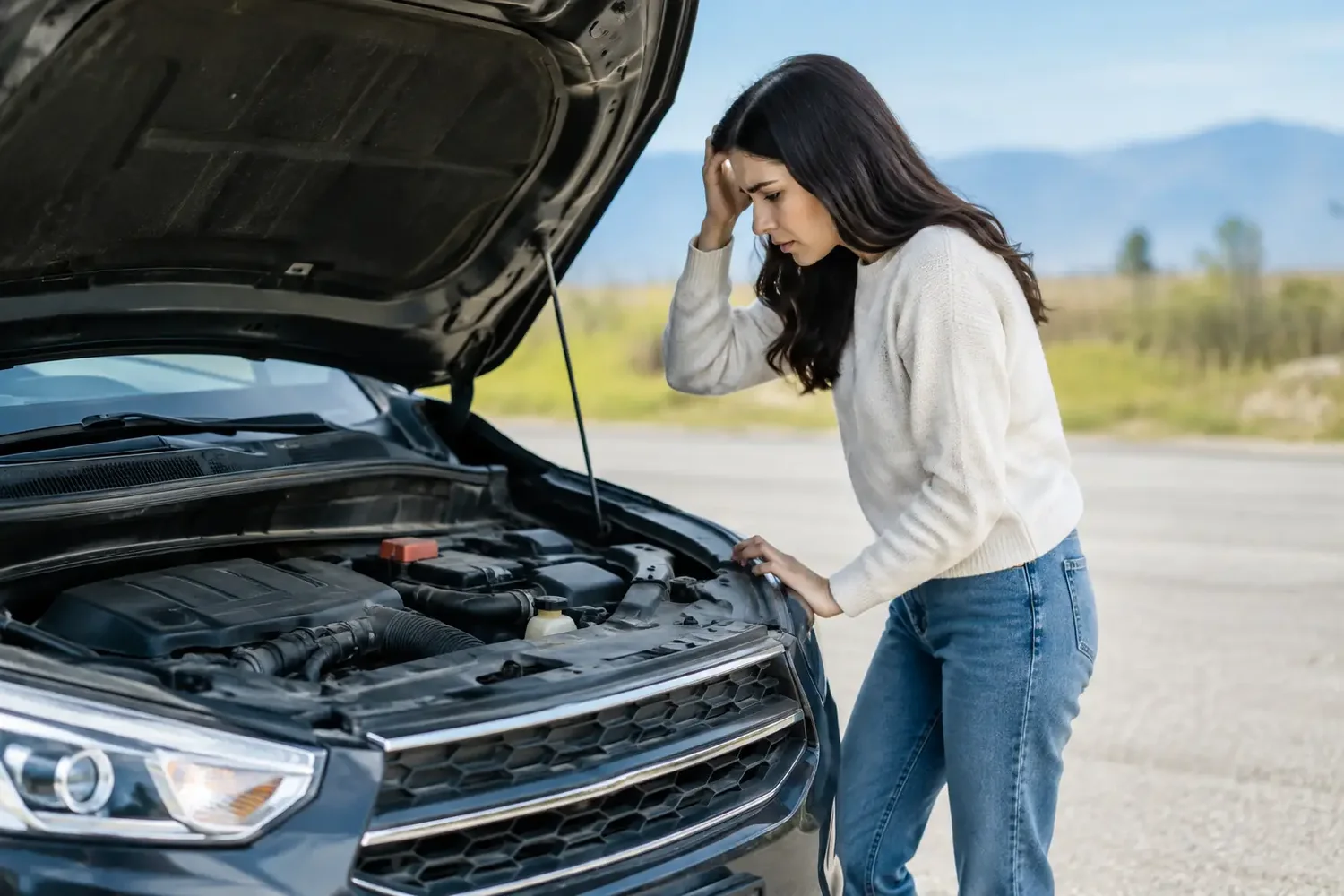
A car that cuts out at a roundabout, in slow traffic or just after starting can turn an ordinary journey into a stressful roadside problem. The common causes of vehicle stalling range from a simple driving issue to a fault that needs professional attention. The key is not to keep trying to force the car onward. Get yourself safe first, then work out whether it is sensible to restart or time to arrange recovery.
What to do when your vehicle stalls
If the engine stops while you are driving, stay calm and steer the vehicle to a safe place if you can. Put the hazard lights on, apply the handbrake and switch off unnecessary electrical equipment. Be aware that steering can feel heavier and braking assistance may reduce once the engine has stopped, so use firm, controlled inputs.
Do not stand in a live lane, and do not attempt repairs at the roadside where traffic is close. On a motorway, follow the safest available option: aim for a safe place or hard shoulder where possible, leave the vehicle only when it is safe to do so, and contact the appropriate emergency or breakdown support. If the vehicle repeatedly stalls, smells of fuel, produces smoke or shows a red warning light, do not keep restarting it.
Common causes of vehicle stalling
Running low on fuel or a fuel supply fault
The simplest cause is less fuel than the gauge suggests. A faulty fuel sender can give an inaccurate reading, while parking on a steep incline may move the remaining fuel away from the pickup point. If the car starts again after being levelled out or after adding fuel, that may explain the problem, but a gauge that is regularly inaccurate should still be checked.
A fuller tank does not always rule fuel out. A blocked fuel filter, failing fuel pump, contaminated fuel or an injector problem can stop the engine receiving the fuel it needs. Signs can include hesitation under acceleration, spluttering, poor starting and a loss of power before the engine cuts out. These faults usually need diagnosis rather than a roadside guess.
A weak battery, charging fault or loose connection
A weak battery is often blamed when a vehicle will not start, but it can also contribute to stalling. Modern cars rely on stable electrical power to run engine management systems, ignition and fuel delivery. A loose battery terminal, damaged earth cable or failing alternator can interrupt that power while you are driving.
Warning signs include dimming headlights, electrical features behaving oddly, a battery warning light or an engine that turns over slowly. A jumpstart may get the car running temporarily, but it does not prove the battery is the only issue. If the alternator is not charging, the engine may stall again once the stored battery power is used. It is safer to have the charging system checked than risk breaking down again later in the journey.
Spark plugs, ignition coils and ignition faults
Petrol engines need a reliable spark at the right moment. Worn spark plugs, failing ignition coils and damaged wiring can cause misfires, rough idling and sudden stalling. The problem may be more noticeable in damp weather or when the engine is under load, such as accelerating uphill.
A flashing engine management light can indicate a serious misfire. Continuing to drive in that condition can damage the catalytic converter, so stop when safe and arrange assistance. With an older vehicle, a worn distributor component may also be responsible, although this is less common on newer cars.
Air intake and idle control problems
Your engine needs the correct mix of air and fuel. If the air filter is heavily blocked, a hose has split or a sensor is giving incorrect readings, the engine can struggle to maintain a steady idle. This is why some vehicles stall when waiting at traffic lights but seem more normal once moving.
A dirty throttle body or idle control system can create similar symptoms. Engine revs may dip too low when you lift off the accelerator, especially after a cold start. This can sometimes be corrected through cleaning and adjustment, but the cause should be confirmed first. Replacing parts at random is expensive and often misses the real fault.
Clutch control in a manual car
Not every stall means there is a mechanical failure. In a manual vehicle, lifting the clutch too quickly, choosing too high a gear or setting off without enough accelerator can stall the engine. This is particularly common in unfamiliar cars, on hills and in stop-start traffic.
One isolated stall with no warning lights or other symptoms is usually not a cause for alarm. Repeated stalling despite normal clutch use is different. It could point to a worn clutch, engine idle issue or another fault that only becomes obvious when pulling away. If the clutch pedal feels unusually high, soft, stiff or difficult to press, have it assessed.
Sensor and engine management faults
Most modern vehicles use sensors to monitor airflow, engine speed, temperature and exhaust gases. When one fails, the engine control unit may receive the wrong information and struggle to keep the engine running. A faulty crankshaft position sensor, for example, may cause intermittent stalling and a refusal to restart until the engine has cooled.
These faults can be frustrating because the car may run normally between incidents. An engine management light can help narrow the diagnosis, but it is not a full explanation on its own. A garage needs to read the fault codes and test the relevant systems. Clearing the warning light without fixing the cause can leave you stranded again.
Overheating, low coolant or serious engine trouble
An overheating engine can stall or suffer damage if driven further. Watch for a high temperature gauge, a coolant warning, steam from under the bonnet or a sweet smell around the vehicle. Never remove a radiator or coolant cap from a hot engine. Pressurised coolant can cause severe burns.
Low coolant may be caused by a leak, while overheating can also stem from a failed thermostat, water pump or cooling fan. Oil pressure problems are equally serious. If a red oil warning light appears, stop the engine as soon as it is safe. Driving on can cause major engine damage within a short distance.
Why a car may stall only at junctions or when slowing down
A stall that happens as you approach a junction often points to idle speed, air intake, fuelling or clutch-related problems. As the vehicle slows, the engine has to settle smoothly into idle. If airflow is restricted, the throttle body is dirty or a sensor is failing, the revs may drop too far and the engine cuts out.
Automatic cars can stall in this situation too. Possible causes include low or degraded transmission fluid, a torque converter fault or an engine management issue. Do not assume it is simply a driving error because the vehicle is automatic. Make a note of when it happens, whether the engine was cold or warm, and any warning lights that appeared. That information can save time during diagnosis.
When you should not drive any further
It depends on the symptoms. If the vehicle stalled once because you selected the wrong gear and it then drives normally, you may be able to continue carefully. If it stalls repeatedly, loses power in traffic or displays a warning light, the risk is higher. A vehicle that cuts out without warning is not reliable enough for busy roads, motorway driving or travelling with children.
Stop and arrange recovery if you notice smoke, burning smells, leaking fluid, overheating, a red dashboard warning, loud knocking, severe vibration or difficulty steering and braking. The same applies if the engine restarts but dies again within moments. A quick roadside check can sometimes identify a flat battery, loose terminal or low fluid level, but deeper faults need proper equipment.
For motorists in Glasgow, Manchester, Liverpool, Preston or Coventry, Car Recovery 24 can provide practical roadside support or safe vehicle recovery when restarting is not the sensible option. Clear communication and an accurate ETA matter when you are stopped somewhere exposed or unfamiliar.
Reducing the chance of another stall
Routine servicing remains the best protection. Keep up with oil changes, replace filters and spark plugs at the manufacturer-recommended intervals, and do not ignore warning lights. Check engine oil and coolant only when the engine is cool, and pay attention to changes in starting, idling or fuel economy before they become a breakdown.
If your vehicle has stalled, treat the incident as useful information rather than bad luck. Note what happened immediately before it cut out, where you were driving and what the dashboard showed. Then choose the safe option: restart only when conditions allow, or call for help and let the vehicle be checked properly.